


Over 30 years.
A trusted voice.
Stories that matter.
Now brought to life with HemAware Spotlight.
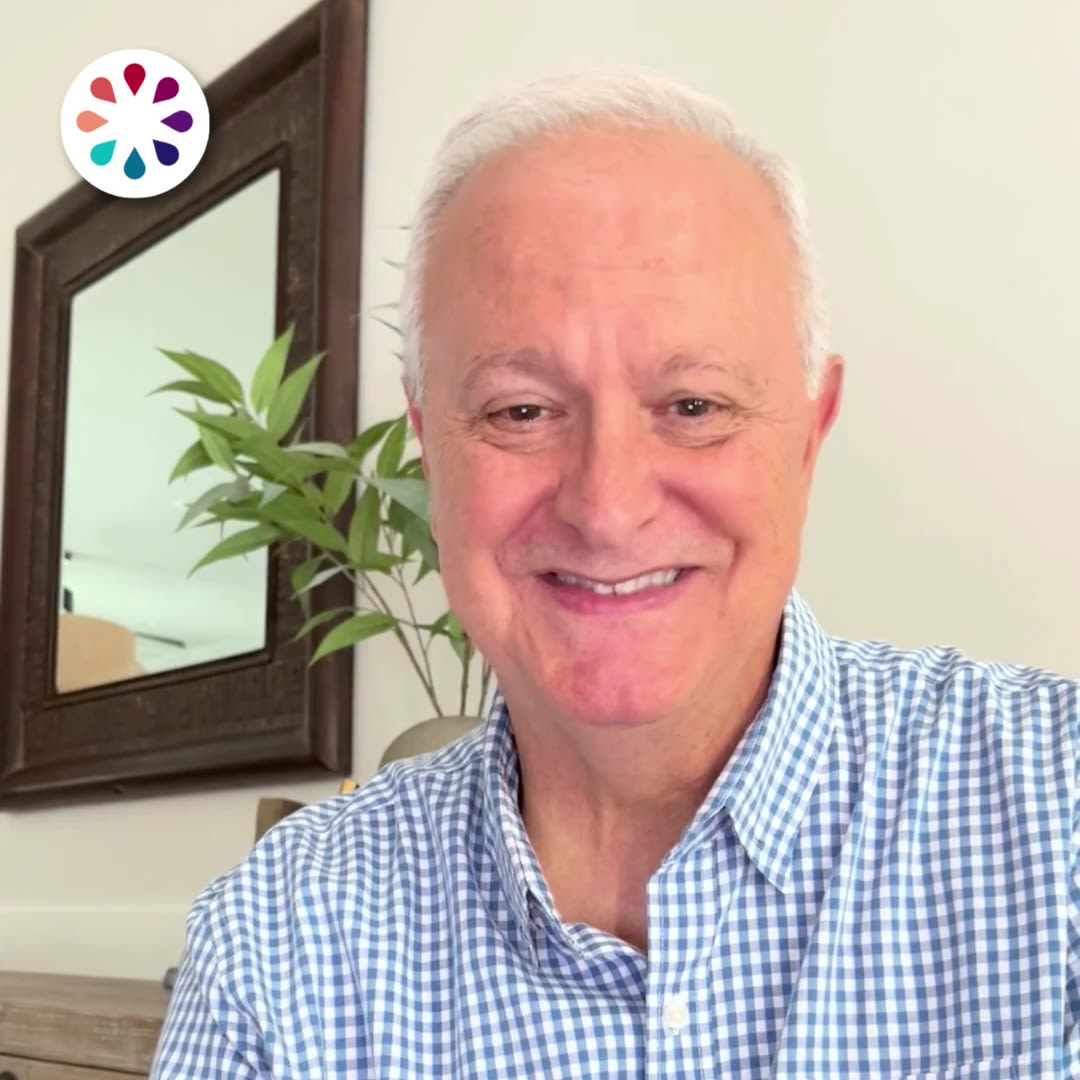
"We're focusing on women and girls with bleeding disorders and the challenges they face."
Phil Gattone, M.Ed.
President and CEO, NBDF
Why Women and Girls with Bleeding Disorders Have Been Overlooked
Too often, heavy bleeding is dismissed as “normal.” Now, women with bleeding disorders and providers in the community are speaking up — and changing how care is understood.
Krista Pennington’s bleeding was so out of control that she couldn’t leave the shower.
She had given birth to her first child just weeks earlier, in November 2014. The pregnancy and delivery were normal. Afterward, there was some heavy bleeding, but hospital staff managed to stop it.
Later, at her home in Gunnison, Colorado, the bleeding started again. “I was talking to my OB/GYN about it, and at that point she wasn’t very concerned,” Pennington says. During a holiday vacation with her family, however, Pennington started hemorrhaging.
“I couldn’t get out of the shower because the bleeding was so heavy,” she says.
Pennington thought the bleeding might be part of postpartum recovery, because she didn’t yet know what was normal and what wasn’t.
She also didn’t know that things would get worse.
Six years later, after two more pregnancies, she would learn that the hemorrhage was probably connected to an undiagnosed bleeding disorder.
For many women and girls living with bleeding disorders, the path to diagnosis is measured not in weeks or months, but years — and sometimes decades. Symptoms such as heavy menstrual bleeding, easy bruising, prolonged bleeding after surgery or childbirth, or chronic anemia are often normalized, minimized, or attributed to gynecologic issues alone.
Historically, women with a hemophilia-causing genetic change have been described as “carriers,” defined as someone who passes along a genetic condition without experiencing symptoms themselves. Because of the outsized focus on hemophilia in medical education, the narrative that all inherited bleeding disorders only occur in males is still a common misconception. Experts now acknowledge that women and girls can experience significant bleeding symptoms and that outdated assumptions may contribute to delayed recognition and care.
“We have girls who come in and say, ‘My period lasts three weeks, and so does my mom’s, and so did my grandma’s and everybody else’s in my family. So, we always thought that was normal.’”
- Tami Bullock, RN-BC, BSN, Nurse Coordinator
“The term carrier implies that you’re not symptomatic,” says Kristin Maher, M.D., Ph.D., a hematologist at the Seattle Children’s Cancer and Blood Disorders Center. “Because of what we understand now about genetics, we really don’t think that term is very accurate.”
This evolving understanding is changing how providers view women and bleeding disorders. But for many people, the shift came too late to prevent years of complications, frustration, and unanswered questions.
The Problem with Women As “Just Carriers” for Bleeding Disorders
Classic medical teaching around hemophilia focused on X-linked inheritance: Males were affected, while females were carriers. But providers say that framework oversimplified the reality.
Women who carry a factor VIII or factor IX gene variant can still have low clotting factor levels and clinically significant bleeding symptoms. Some meet the criteria for hemophilia themselves.
At the same time, the ways women and girls experience bleeding can look different from the symptoms usually associated with bleeding disorders.
“A lot of it is reproductive tract bleeding — heavy menstrual bleeding, postpartum hemorrhage — and that is often not recognized as quickly as something like a joint bleed,” Maher says.
As a result, many women grow up believing their symptoms are simply part of being female, especially if similar experiences run through generations of a family.
“We have girls who come in and say, ‘My period lasts three weeks, and so does my mom’s, and so did my grandma’s and everybody else’s in my family. So, we always thought that was normal,’” says Tami Bullock, RN-BC, BSN, a nurse coordinator at the Iowa Hemophilia and Thrombosis Center in Iowa City.
Without awareness of what abnormal bleeding can look like, bleeding disorder symptoms often remain hidden in plain sight.
The Long Road to Answers
Candi Mitchum, of Batesburg, South Carolina, spent years cycling through treatments for heavy periods before anyone considered a bleeding disorder.
“I’ve been on all the IUDs, all the pills, patches, everything,” she says.
After each pregnancy, the bleeding became worse. Eventually, she was having two seven-day periods every month. “If you do the math, that’s bleeding half a year,” she says.
“Doctors told me: If you want it to get better, then you need to have a hysterectomy,” Mitchum says.
So, at age 27, she agreed to a hysterectomy, believing it would finally solve the problem. Instead, she recalls, “I released Pandora’s box.” One week after surgery, she sneezed while on bed rest and suddenly began bleeding heavily.
Her doctor performed a second surgery, telling her afterward that he’d never seen bleeding like it.
Even then, there was no movement toward a bleeding disorder diagnosis.
“It’s crazy to think that I was in the hands of so many different people over the course of these years, and not one person said, ‘What about her blood?’” she says. “Everybody just assumed that because I’m a female, it was a female problem.”
Only after her son was diagnosed with von Willebrand disease (VWD) through a children’s hospital and hemophilia treatment center (HTC) did providers begin connecting her own symptoms to the bleeding disorder.
Pennington’s path to her VWD diagnosis was similarly long and complicated.
After postpartum hemorrhaging from her first pregnancy, her second child was stillborn at 35 weeks. During her third pregnancy, she suffered a massive hemorrhage shortly after delivery and underwent a lifesaving hysterectomy.
Even after seeing two hematologists, she struggled to get answers. “It wasn’t like I wasn’t trying,” she says.
In 2023, while her son was receiving care at a children’s hospital, she connected with the HTC there. “I was like, I should see if they could help me figure out if I have von Willebrand or not,” she says. “If it wasn’t for those random things, I still would probably be without a diagnosis to this day.”
The Toll of Heavy Bleeding
Heavy bleeding can disrupt nearly every aspect of daily life.
People describe missing school and work, carrying extra clothes and menstrual products everywhere they go, and avoiding activities out of worry about flooding through clothing in public. Others experience fatigue and inability to concentrate from anemia.
“If I could change one thing about how we approach women and girls with bleeding disorders, I would completely remove the stigma associated with heavy menstrual bleeding.”
- Kristin Maher, M.D., Ph.D., Hematologist
“Quality of life can get pretty debilitating,” says Homa Ahmadzia, M.D., an OB/GYN and maternal-fetal medicine specialist at Inova Fairfax Hospital in Virginia.
The financial burden also adds up quickly. “Period poverty is a thing — the sheer cost that people incur from having to buy all these products is insane,” Bullock says.
For many women, systemic shame compounds the problem of delayed diagnosis. Talking about menstrual flow difficulties is often taboo.
“It’s not a topic of discussion that they feel comfortable with — which is driven by stigma in society — that sometimes they go years with heavy bleeding, and nobody really knows,” Maher says.
“If I could change one thing about how we approach women and girls with bleeding disorders, I would completely remove the stigma associated with heavy menstrual bleeding,” she adds. “I think people would be recognized sooner.”
Even After Diagnosis, Care for Bleeding Disorders Can Be Hard to Find
Accessing care can be difficult even after you find out you have a bleeding disorder. People may have a hard time finding providers who are experienced in bleeding disorders, especially in rural areas, Bullock says.
“For the ones we work really well with and who understand the ins and outs of bleeding disorders, it can be a month before we can get someone into their clinic,” she says.
Another barrier to care is managing multiple specialties. People might need coordination among hematologists, OB/GYNs, maternal-fetal medicine specialists, primary care providers, pharmacists, and insurers. There is also the issue of children transitioning to adult care and needing to take charge of their own health — or failing to do so.
To address this challenge, some HTCs have developed multidisciplinary clinics specifically for women and girls with bleeding disorders.
These clinics can house menstrual management, iron deficiency treatment, pregnancy planning, genetic counseling, and emergency care planning in one setting.
Other HTCs, such as the Iowa Hemophilia and Thrombosis Center, are lifespan centers that support patients as their health needs change over the years — transitioning into adult care, family planning and childbirth, and aging issues such as mammograms and menopause.
People without direct access to a specialty clinic can reach out to the nearest HTC.
“Hopefully they are going to call us at the treatment center and say, ‘I’m running into this problem,’” Bullock says. “And then we can jump in and help advocate for them or facilitate things that need to be done.”


Recognition Came Late, But Momentum Is Growing
Although significant gaps remain in bleeding disorders care for women and girls, people in the community say progress is happening.
More clinicians are recognizing that women and girls can experience significant bleeding symptoms. Centers are developing women-focused clinics and transition programs. Researchers are studying how bleeding disorders affect women and girls across the lifespan.
And women with bleeding disorders are using their stories to drive awareness.
“The probability is that my son or daughter is going to have children with VWD. I want to advance the technology for them.”
- Candi Mitchum
After finding her local bleeding disorders community, Mitchum became deeply engaged in advocacy work, including attending Washington Days and congressional briefings on women with bleeding disorders.
“The reason I want to be so involved is the fact that I know this is not going to end with us,” she says. “The probability is that my son or daughter is going to have children with VWD. I’ll have grandchildren and great-grandchildren who possibly have VWD. I want to advance the technology for them.”
Though Pennington is profoundly upset about the experiences she had leading up to her diagnosis, she recognizes that repeated failures to identify her bleeding disorder were less about individual providers and more about a system that needs to improve.
Pennington says she’s grateful to have connected with the National Bleeding Disorders Foundation in the last year. “I’ve learned so much,” she says.
“I’m with a group of people who want to raise awareness and make change in the health care community,” she says. “My way of healing was to feel like I could be part of making a difference for somebody else.”
Bleeding Disorder Symptoms Across Stages of Life
Bleeding disorders can affect women and girls differently at different stages of life. Symptoms may first appear during childhood, intensify with menstruation or pregnancy, or become more noticeable during surgeries and other medical procedures.
Recognizing warning signs early — and continuing care across the lifespan — can help improve quality of life and reduce serious complications.
Common Warning Signs That May Signal a Bleeding Disorder
- Periods lasting longer than seven days
- Bleeding through products every one to two hours
- Passing large clots (quarter-sized or larger)
- Fatigue or dizziness (from anemia)
- Easy bruising or frequent nosebleeds
- Prolonged bleeding after surgery, dental work, or childbirth
- Family history of heavy bleeding or bleeding disorders
Puberty and First Periods
Heavy menstrual bleeding is one of the first noticeable symptoms of a bleeding disorder. Some families normalize heavy bleeding because multiple generations have experienced similar symptoms, and they don’t realize that it’s abnormal.
What to watch for: Missing school, severe fatigue, flooding through products, or periods that interfere with daily life are all signs that deserve medical attention.
Questions to ask:
- Is this amount of bleeding considered normal?
- Should we test for anemia or iron deficiency?
- Should we evaluate for a bleeding disorder?
Reproductive Years
Heavy bleeding can affect work, relationships, travel, and mental health. Many women spend years trying different management approaches before finding one that works for them.
What to watch for: Worsening symptoms over time, exhaustion from anemia, or bleeding that disrupts everyday activities should not be dismissed as “just bad periods.”
Questions to ask:
- What treatment options are available?
- Should I see a hematologist or go to a hemophilia treatment center?
- How should I prepare for surgeries or procedures?
Pregnancy and Childbirth
Bleeding risks for women with bleeding disorders can increase after delivery, especially if the condition is undiagnosed.
What to watch for: Heavy postpartum bleeding, delayed hemorrhaging, or a history of bleeding complications should prompt follow-up evaluation.
Questions to ask:
- What should be in my delivery care plan?
- Do I need specialists involved in my care?
- Do I want my infant tested at birth?
Postpartum
Some women first discover they have a bleeding disorder after severe bleeding following childbirth.
What to watch for: Persistent heavy bleeding, large clots, dizziness, or soaking through products after delivery should not be ignored.
Questions to ask:
- Is my recovery bleeding within the expected range?
- Should I be screened for a bleeding disorder?
- What symptoms should prompt emergency care?
Menopause and Beyond
Although menopause marks the end of menstrual bleeding, a bleeding disorder does not go away. Maintain ongoing care, particularly as new health needs arise later in life.
What to watch for: Nosebleeds and bruising can still occur, as can bleeding complications during surgeries, dental procedures, biopsies, joint replacements, or other medical treatments, including general screening colonoscopies and skin procedures.
Questions to ask:
- Do all of my providers know about my bleeding disorder history?
- What special precautions should be taken before procedures?
- Do I still need regular hematology follow-up?
Heavy Periods: What Can Help
Track Your Symptoms
Keeping track of bleeding patterns can help providers recognize warning signs sooner.
Consider noting:
- How many days bleeding lasts
- How often you’re changing products
- Clot size
- Fatigue or dizziness
- Bleeding accidents or flooding episodes
Know the Red Flags
Talk to a provider if you:
- Bleed longer than seven days
- Soak through products every hour
- Pass large clots
- Experience severe fatigue surgery, dental work, or childbirth
Assemble the Right Care Team
If possible, seek care from providers who are familiar with bleeding disorders, including at hemophilia treatment centers (HTCs). Second opinions can be important when symptoms persist without answers.
Explore Treatment Options
Not every option works for everyone, and many people try several approaches before finding the right fit.
Treatment plans can include:
- Hormonal therapies
- Antifibrinolytic agents
- Iron supplementation
- Clotting factor support
- Desmopressin (DDAVP)
Prepare for Emergencies
Ask providers whether you need:
- A written bleeding plan
- Emergency medication access
- Special surgical or pregnancy planning
- Coordination among specialists
Don’t Minimize Your Symptoms
Many women grow up believing that heavy bleeding is simply something they have to tolerate. But experts agree that severe menstrual bleeding and anemia are not normal. If something feels wrong, keep asking questions.
Finding Purpose Through von Willebrand Disease Advocacy
Meet Candi Mitchum
Since she was a teenager, she was told that birth control was the only way to manage her heavy menstrual bleeding.
In the years since, Candi Mitchum, of Batesburg, South Carolina, has used IUDs, pills, and patches, yet her bleeding worsened. She underwent a hysterectomy at 27 — only to have the bleeding continue.
Her journey to a diagnosis started at the vet clinic where she worked.
“They had a dog with von Willebrand disease, and this dog’s quality of life was just not good,” she says. “I was like, if this is genetic, I need to find out if my children have it.”
This led her to a hemophilia treatment center, where her son was diagnosed with VWD. “I told them some of the things I have been going through, they were amazed, and so they took me on.” Soon after, she received a VWD diagnosis, too.
Today, Mitchum has become a prominent advocate in the bleeding disorders community, serving as vice president of the Bleeding Disorders Association of South Carolina and participating in state-level advocacy efforts, Washington Days, and congressional briefings focused on improving awareness and care for women with bleeding disorders.
She says community involvement transformed her understanding of the disorder and helped replace fear with education and connection.
“I’m not afraid of my bleeding disorder like I used to be,” she says. “Ever since my diagnosis, I love to help with women any way I can.”


Meet Krista Pennington
After multiple pregnancy complications and an emergency hysterectomy to save her life from postpartum hemorrhaging, Krista Pennington, of Gunnison, Colorado, spent years searching for answers.
Even after seeing multiple specialists, she struggled to receive a diagnosis of von Willebrand disease.
“I went to a hematologist, and she did the blood work, but my levels were borderline, and she’s like, ‘I really don’t know enough about this.’ She didn’t even know the next step,” Pennington says. “I was thinking, OK, this is probably not the person I should be talking to, because it made me feel not confident.”
Eventually, connecting with a hemophilia treatment center gave her answers, and tapping into the National Bleeding Disorders Foundation Colorado Chapter provided a sense of community and purpose.
“Just talking to other women helps me to know that I’m not alone,” she says. “It’s made me feel like I’m not crazy.”
Since then, Pennington has become active in awareness and advocacy efforts, including attending Washington Days with her daughter, who also has von Willebrand disease.
“It sounds like a lot of change actually came from the 400 of us who were there in Washington,” she says. “The needle is moving with some of the bills we were asking for.”
Her message to others is simple: Advocate for yourself and ask questions.
“If something doesn’t seem right about your bleeding,” she says, “don’t stop until you find a provider who is committed to getting answers.”
FAQ: The Importance of Genetic Counseling for Hemophilia and Other Bleeding Disorders
What is genetic counseling?
Genetic counseling helps people understand how a genetic test for inherited bleeding disorders may affect themselves, others in their family, or future generations.
A genetic counselor may review family history, explain inheritance patterns, discuss testing options, and help people understand what the results could mean medically and emotionally.
Who may benefit from genetic counseling?
Genetic counseling may be helpful for:
- Families with a known bleeding disorder
- Women and girls with unexplained bleeding symptoms
- Individuals planning pregnancy
- Parents considering testing for children
- People who want to better understand family risk
How are genetic counseling and genetic testing related?
Genetic counseling is often offered before a genetic test is done. Not everyone chooses testing, and the decision is personal.
“We offer genetic testing for a girl at risk to be a hemophilia carrier as soon as we meet the family, regardless of whether she’s symptomatic, and regardless of her age,” says hematologist and researcher Kristin Maher, M.D., Ph.D., from the Seattle Children’s Cancer and Blood Disorders Center.
During counseling, providers may discuss whether testing could help guide medical care, clarify a diagnosis, identify risks for family members, or support pregnancy and delivery planning.
What can genetic testing tell me?
Genetic testing can help confirm a bleeding disorder diagnosis and may be particularly useful if other blood tests such as factor levels are borderline or in the normal range. Results can assist providers in understanding the risk for heavy menstrual bleeding and guide medical care during pregnancy, childbirth, surgeries, or emergency situations.
Testing also can be informative for other family members. Because many bleeding disorders are inherited, a diagnosis in one person can prompt relatives to recognize symptoms, pursue testing themselves, or prepare for future medical needs.
Does being a “carrier” mean I won’t have bleeding disorder symptoms?
Not necessarily. Experts now recognize that women and girls labeled as “carriers” — a term for someone who carries a genetic condition without experiencing symptoms — may still have bleeding symptoms.
When should genetic testing happen?
Timing for genetic testing varies for each person. It often involves balancing medical benefit, family preferences, and a child’s future autonomy.
“It used to be that the main purpose of carrier genetic testing was delivery planning and family planning with a focus on the potential for a male fetus to have hemophilia,” Maher says. “But now, we know that carriers can have bleeding, and we’re able to offer it earlier, because it could change the management for the girl.”
Maher says that despite this potential benefit, some parents prefer to wait — for example, until the child is old enough to participate in decisions about genetic testing herself.
Are there barriers or other considerations?
Insurance authorization, cost, and limited access to specialists can sometimes delay genetic testing or counseling.
Some families worry that if testing reveals a bleeding disorder, the person could face stigma, guilt, or misunderstandings about the inherited condition, Maher says.
She encourages families to ask questions openly so they can make an informed decision about genetic testing. In many cases, genetic testing results can help them and their relatives better understand their own health risks and care needs.
What Meaningful Change Looks Like
Improving care for women and girls with bleeding disorders requires changes at multiple levels.
It includes earlier recognition of heavy menstrual bleeding as a potential bleeding disorder symptom, better provider education, expanded access to multidisciplinary care, and continued research focused on women’s experiences across the lifespan.
In 2025, the National Bleeding Disorders Foundation (NBDF) held a research roundtable focused on women and girls with bleeding disorders. The event brought together lived-experience experts, researchers, health care providers, and industry leaders for an open conversation about the barriers women and girls face in bleeding disorders research. They discussed the ways that clinical-trial design for treatments for bleeding disorders can exclude women, ignore the way that women bleed, and fail to capture how women’s bleeding symptoms affect their quality of life. The results of the roundtable, including recommendations to address these issues and next steps, have been submitted to a peer-reviewed journal and will be published in fall 2026 on NBDF’s website.
Advocacy is also playing a role. Through NBDF and other organizations, people are speaking publicly, participating in awareness campaigns, and working with lawmakers to improve diagnosis and treatment pathways.
For many advocates, progress begins with conversation. Reducing stigma around periods, inviting people to seek answers earlier, and helping people feel believed may ultimately change outcomes for future generations.
Through her advocacy efforts, Krista Pennington has been able to channel grief and loss from her harrowing journey to diagnosis into something meaningful and good, and she encourages others to do the same.
“Nothing is going to change,” she says, “unless people are making their stories known.”


This issue is brought to you by
President and CEO, Philip Gattone, M.Ed
Board Chair, Ryan Griffin
Vice Chair, Susan Hartman
Treasurer, Joseph Alito
Executive Editor, Beth Marshall
Managing Editor, Manifest, Matt Morgan
Production Director, Jay Patel
Art Director, Lauren Mlack
Advertising Manager, Jay Patel jpatel@bleeding.org
Issue contributors:
Homa Ahmadzia, M.D.
Tami Bullock, RN-BC, BSN
Kristin Maher, M.D., Ph.D.
Candi Mitchum
Krista Pennington

HemAware Spotlight is an immersive storytelling experience from HemAware, NBDF’s award-winning publication, featuring trusted stories and community voices that explore issues shaping the bleeding disorders community.
The National Bleeding Disorders Foundation (NBDF) is dedicated to finding cures for inheritable blood and bleeding disorders and to addressing and preventing the complications of these disorders through research, education, and advocacy, enabling people and families to thrive.
© National Bleeding Disorders Foundation
All rights reserved.
 Built with Shorthand